The science
Screening shouldn’t leave you behind.
Whether it’s dense tissue a mammogram can miss, or you’re not yet old enough for one to be recommended, BeSound scans the entire breast at once, using FDA-approved 3D automated breast ultrasound (ABUS).
What dense tissue hides
Mammograms aren’t made for dense breasts, BeSound is.
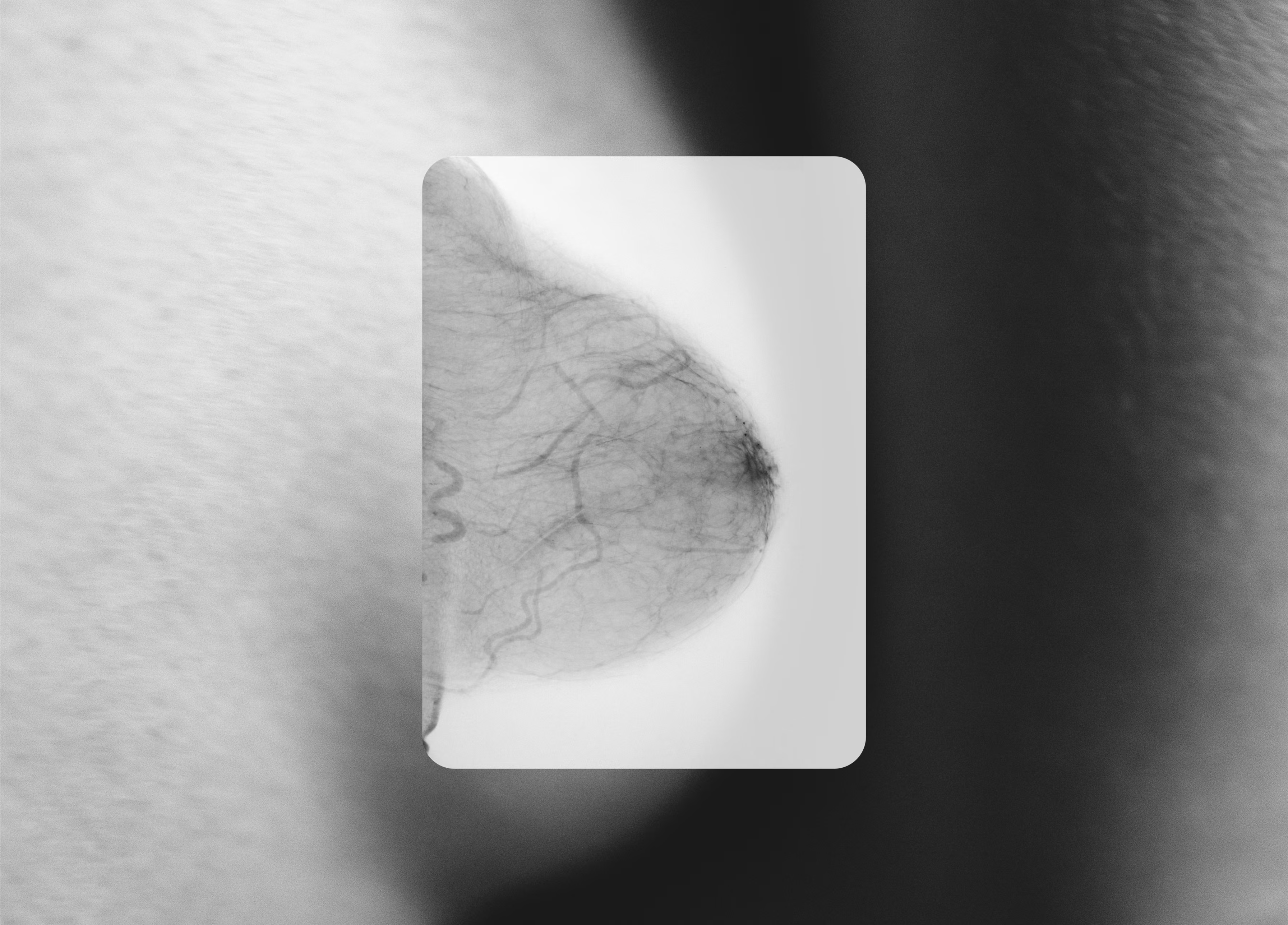
On a mammogram, dense tissue and breast cancer look the same: both show up as the color white. When everything looks the same, things get missed.
Routine mammograms do not begin before 40, in part because of radiation exposure, and they are less effective in younger women, who are more likely to have dense breasts.
The science behind our scan
One scan. The whole picture.
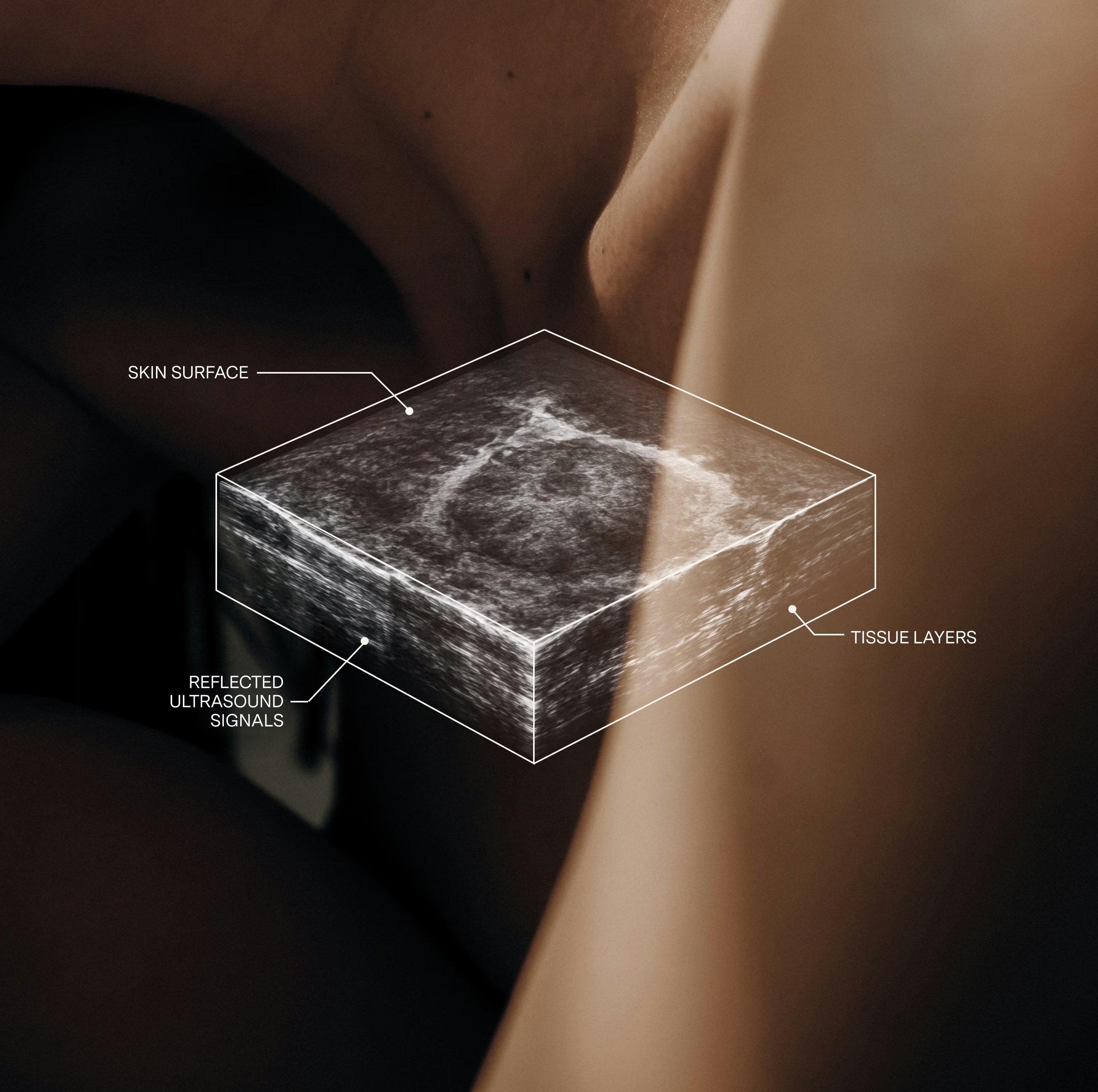
Whole-breast 3D
It captures everything, automatically
Instead of a sonographer steering a wand by hand, a soft transducer sweeps the entire breast on its own, hundreds of images in a single pass, and assembles them into one standardized 3D volume.
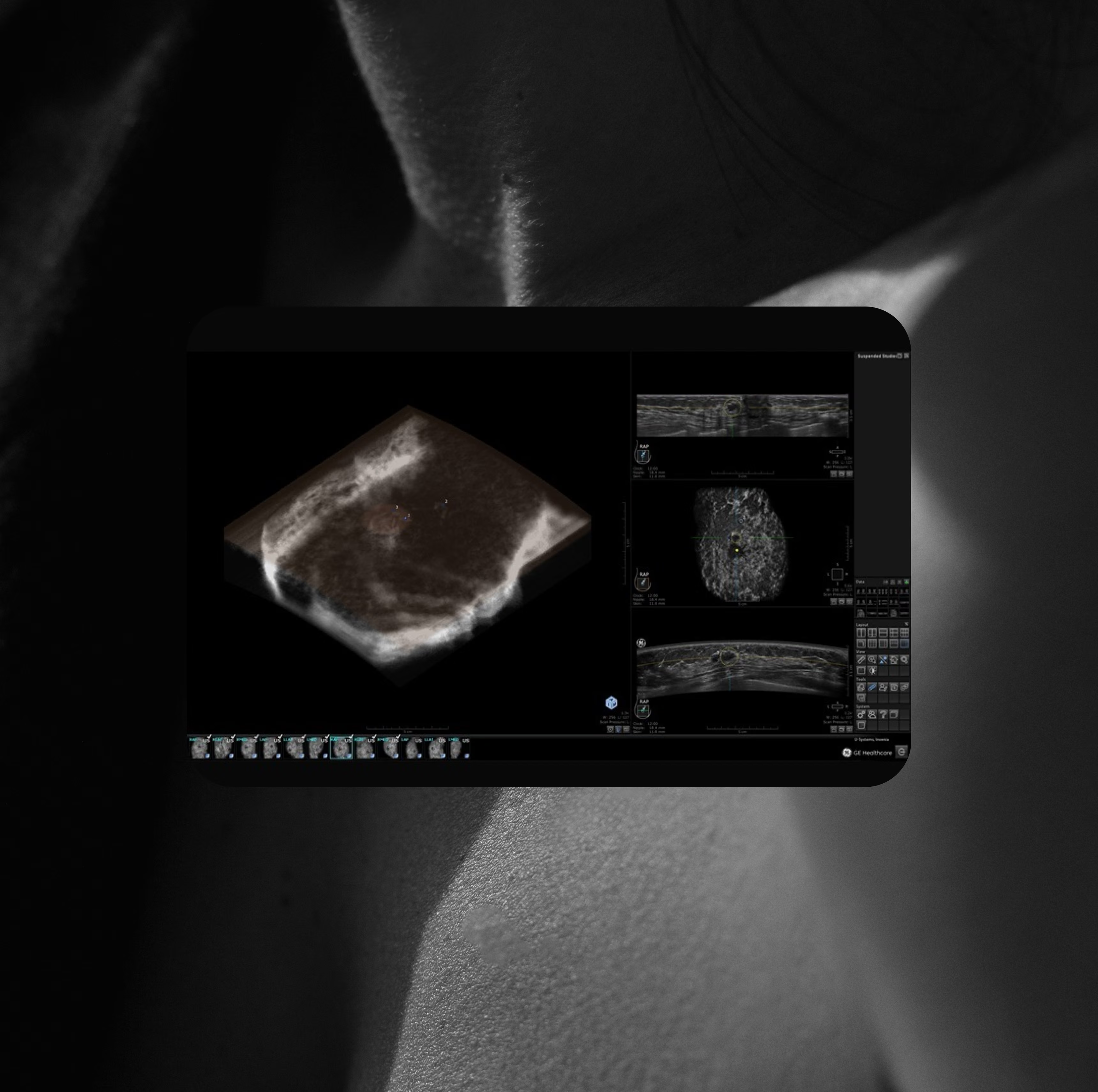
The coronal view
A view a mammogram can't show
From that volume, ABUS reconstructs a coronal plane, a top-down view through the breast, where small, invasive cancers that hide in dense tissue stand out. It’s a big reason ABUS detects 55% more invasive cancers than mammograms alone.16
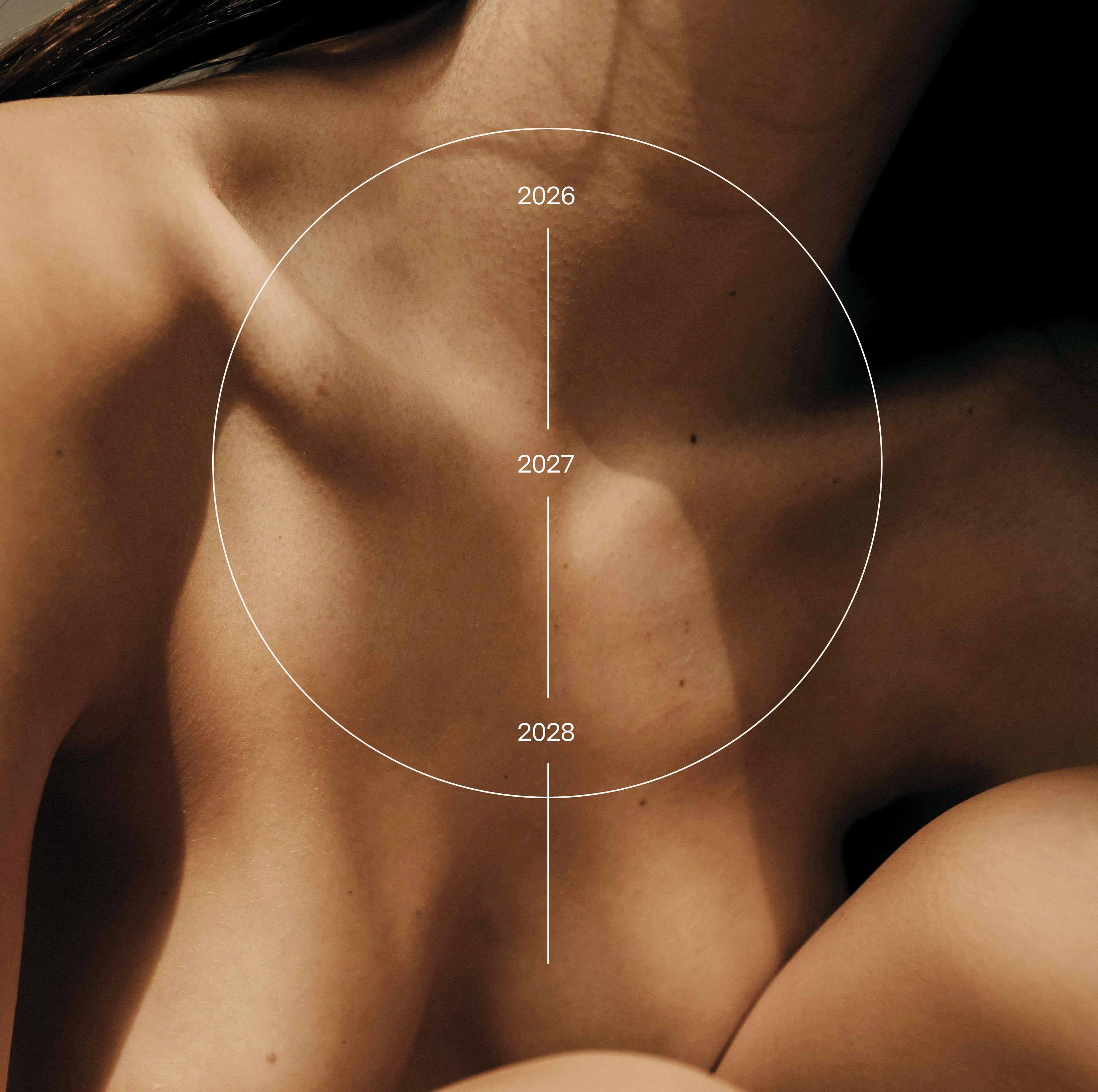
Standardized & reproducible
The same, every single time
Because the scan is automated, your results are reproducible year over year: easy to compare against priors, and consistent no matter who runs the exam.
Why early matters
Catching it early changes the odds.
When caught at Stage 1, breast cancer is 99% survivable, and treatment is far simpler than the chemotherapy, radiation, and invasive surgeries that may be required at later stages.

99%
of breast cancers are survivable with early detection.05
Advisory board
“New FDA regulations requiring that women be notified about their breast density have shined a spotlight on a critical issue.”
BeSound advisory board member and breast radiologist Rachel Brem, MD, served as principal investigator of the landmark study supporting FDA approval of the automated breast ultrasound technology used by BeSound. She is also a leading advocate for the Find It Early Act, bipartisan federal legislation that would eliminate out-of-pocket costs for breast imaging for women with dense breasts or an elevated risk of breast cancer.
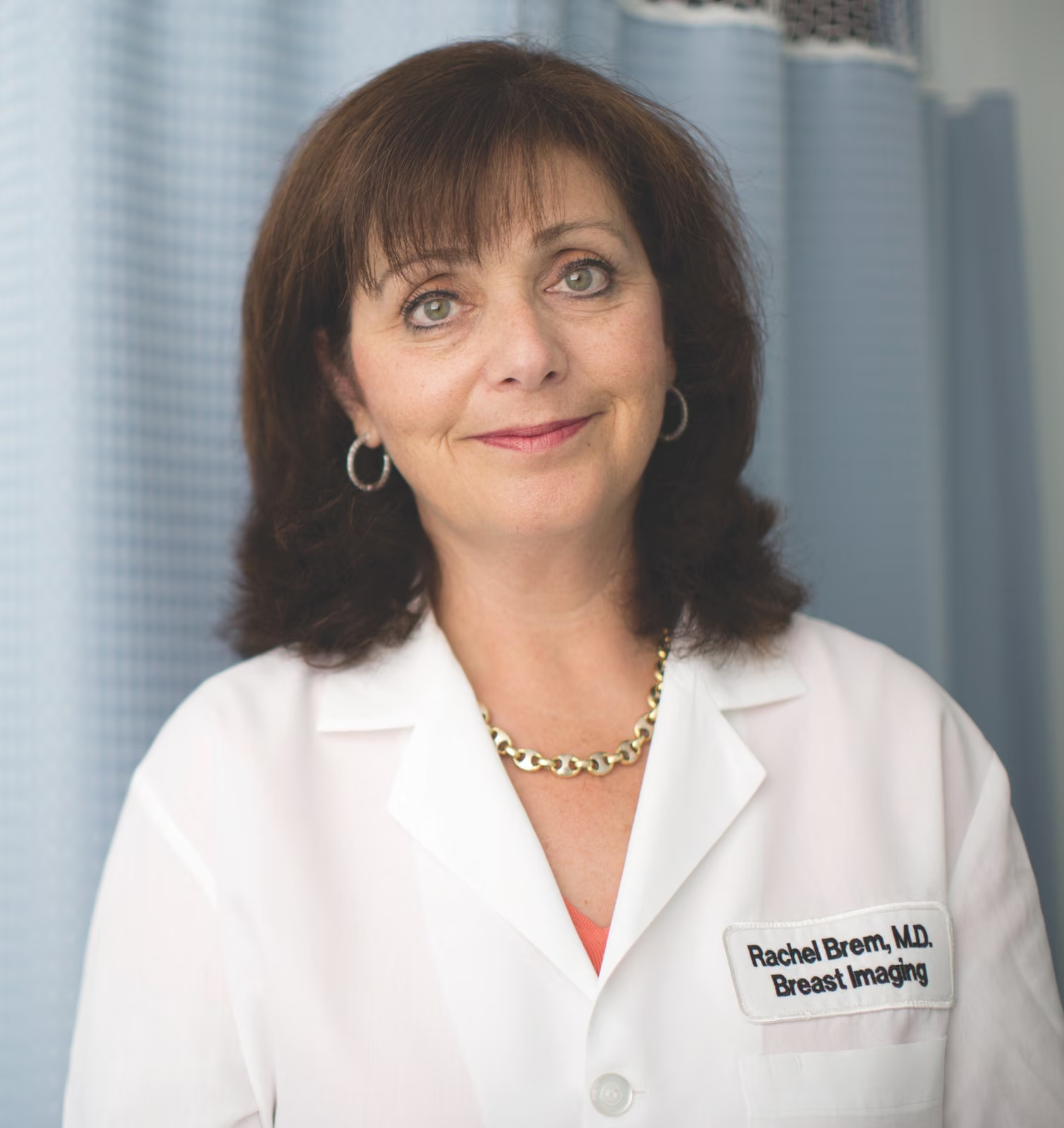
Dr. Rachel Brem, MD
Breast Radiologist
Some tools fall short. BeSound is changing the story.
*BeSound is not a replacement for screening mammography and is not considered a stand-alone screening method for breast cancer in average-risk women. It may detect some cancers not seen on mammography, especially in women with dense breast tissue. This information is for educational purposes only and does not replace professional medical advice.
In her words
Loved by the women who’ve had it.
In a patient-experience study, 100% of women said they’d recommend an ABUS exam to their best friend.11
“The entire team was incredibly knowledgeable, welcoming, and made the whole process feel comfortable from start to finish. The scan itself was quick, easy, and gave me so much peace of mind.”

“For a process that can be so daunting for women, I felt right at home, relaxed and most importantly empowered to take my health and preventative measures into my own hands, with the help of a team of women that really get it.”

“The women at BeSound were so kind and thoughtful, and made me feel very safe and comfortable. I'm so happy I made a BeSound appointment.”

“Amazing team behind your health. For the guys: book a scan for your loved ones!”

“I didn't know what to expect, but the team was so kind and knowledgeable. They walked me through the entire process and communicated with me throughout to make sure I was comfortable.”

“The team was super nice and helpful. BeSound made me rethink how I manage my breast health in every way, and will be the first appointment I book next year.”
Frequently asked questions
Start your BeSound journey
Book your scan and view your results directly in your BeSound dashboard.
Learn your risk
Not sure where to start? Take our free risk assessment to better understand your personal risk factors.